
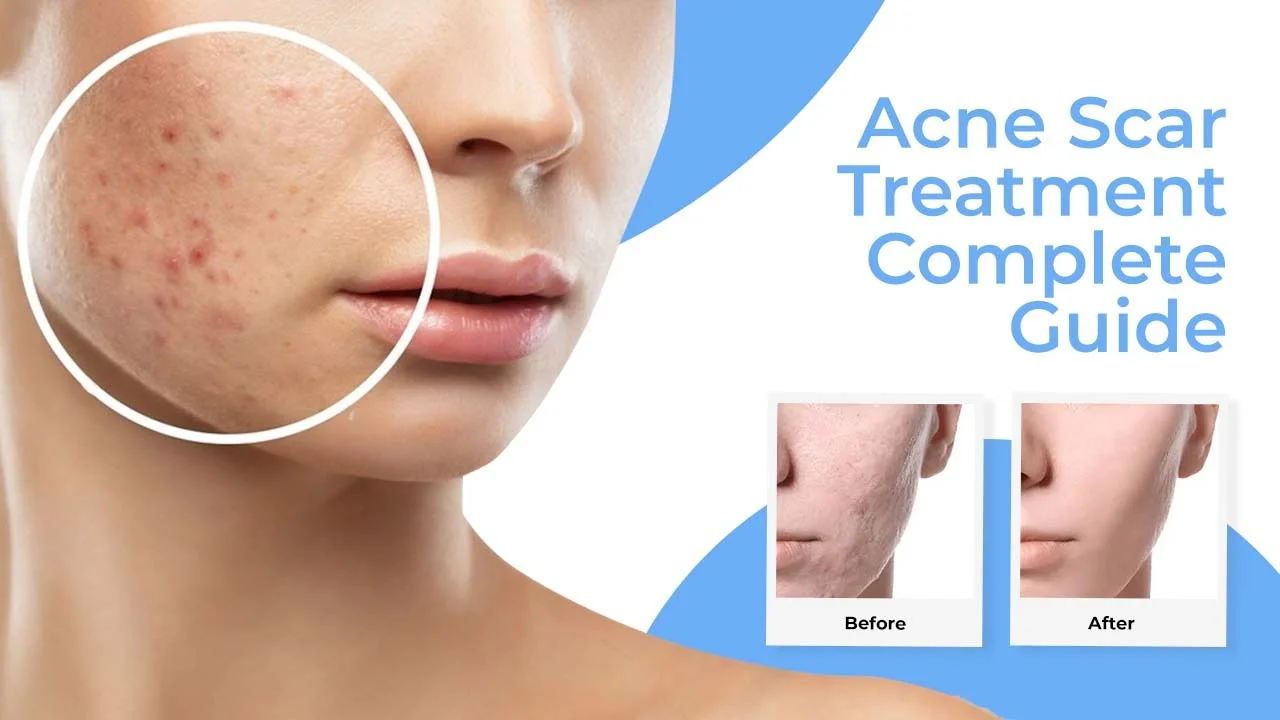
Complete Guide to Acne Scar Treatment: Solutions, Options & Expectations
Acne can be an overwhelming experience for many — not just because of the breakouts, but due to the lasting marks it can leave behind. Acne scars are more than just skin texture issues; for many people they carry emotional weight and influence confidence long after active acne has subsided. Fortunately, with modern skincare technologies and clinical treatment paths, you can significantly reduce the appearance of acne scars and work towards smoother, clearer skin.
In this comprehensive blog, we’ll explore what acne scars are, why they develop, the types you should know about, and the best treatment strategies, including advanced procedures offered at Sunshine Spine such as NeoGen PSR and IPL therapy.
What Are Acne Scars and Why Do They Form?
Acne scars are the result of the skin’s repair process after inflammation. When a pimple goes deep into the tissue — especially cysts and nodules — the body launches a healing response that creates collagen fibers. Ideally, these fibers replace damaged tissue and restore normal texture. But when collagen production is too little or too much, scars result.
There are two primary mechanisms:
- Insufficient collagen production leads to dep ressions or pits.
- Excessive collagen production can lead to raised, thickened scar tissue.
Acne scars do not simply fade on their own once formed — they require active treatment. While some mild marks may lighten over time, deeper scarring often remains without intervention.
Types of Acne Scars
Understanding scar type helps determine the best treatment plan. There are several kinds, each with unique characteristics:
1. Ice Pick Scars
Deep, narrow indentations that resemble tiny holes. These are among the toughest to treat because they penetrate deeply into the skin.
2. Boxcar Scars
Often broader than ice pick scars with sharp edges, these look like depressions with well-defined borders.
3. Rolling Scars
These scars create undulating waves on the skin surface due to fibrous bands beneath the skin.
4. Hypertrophic Scars
Raised scars that form from excess collagen and appear above the skin surface.
5. Keloid Scars
Similar to hypertrophic scars but more aggressive — keloids may grow beyond the original injury area and are harder to treat.
Some people may also have pigment changes such as dark spots where pimples once were. These are not true scars, but they often accompany scarring and may need additional treatment to fade.
Why Timely Treatment Matters
Leaving acne scars untreated can allow them to become more permanent. Early intervention:
- Prevents worsening of scars
- Enhances skin texture improvement
- Reduces emotional distress
- Improves overall skin health
A dermatologist or skincare specialist will assess your scars based on severity, depth, skin type, and goals before recommending a personalized plan.
Advanced Clinical Treatments
At Sunshine Spine, acne scar treatment is more than surface-level care — advanced technologies are used to stimulate real skin renewal from within.
NeoGen PSR (Plasma Skin Regeneration)
NeoGen PSR uses controlled plasma energy to penetrate the skin, promoting collagen production and boosting the skin’s natural healing. This leads to a gradual improvement in texture, smoothness, and tone — ideal for:
- Acne scars
- Uneven texture
- Sun damage
- Fine lines and pigmentation
The treatment doesn’t just “buff” scars away; it rejuvenates from deeper layers to rebuild healthier skin.
IPL (Intense Pulsed Light) Therapy
IPL therapy targets the skin with broadband light to:
- Reduce redness
- Clear acne bacteria
- Improve pigmentation
- Smooth texture
Often combined with other treatments, IPL is non-invasive with minimal downtime — making it an appealing option for gradual scar improvement.
Combination Approaches
The most effective treatment plans often combine multiple modalities — such as NeoGen PSR with IPL or add-on JetPeel infusions — to maximize collagen stimulation and scar resolution.
Other Common Acne Scar Treatment Options
Even though clinic-based laser and energy treatments are the gold standard for many scar types, several additional options are widely used in dermatology:
✔ Chemical Peels
Peels remove the top layer of skin to reveal smoother layers underneath.
✔ Microdermabrasion
A gentle mechanical exfoliation that smooths mild scars.
✔ Microneedling
Fine needles create controlled micro-injuries to trigger collagen production.
✔ Injectable Treatments
Fillers or steroids may help raised scars or depressions when used correctly.
✔ Cryotherapy
Used for certain raised scars like keloids, freezing them to shrink the tissue.
Most effective treatment plans combine clinical procedures with at-home skincare support.
Skincare: Prevention and Maintenance
While procedures can reduce existing scars, good skincare habits help prevent new ones:
✔ Avoid Picking at Pimples
Squeezing increases the risk of worsening inflammation and deeper scars.
✔ Use Sun Protection
Sun exposure can darken scars and slow healing. Daily SPF 30+ is essential.
✔ Adopt Gentle Exfoliation
Products with retinoids or AHAs can help cell turnover and texture.
✔ Stay Consistent
Scars improve over time; combining treatments with consistent care optimizes results.
Realistic Expectations & Healing Time
Every scar and skin is unique — which means results vary. Some key points to keep in mind:
- Multiple sessions may be needed for best results
- Full improvements often take weeks or months
- Maintenance treatments enhance and prolong benefits
- New collagen forms gradually, so patience is key
Your specialist will explain timelines based on your case and chosen treatments.
Acne scars don’t have to define your skin permanently. With the right blend of advanced clinic-based treatments like NeoGen PSR and IPL, alongside good skincare habits and preventive care, you can effectively improve texture, tone, and confidence.
Whether you’re dealing with mild scarring or deeper texture changes, expert assessment and personalized treatment planning are the first steps to revealing refreshed, radiant skin.