
Knee Surgery After an Auto Accident: What You Need to Know
Auto accidents can be devastating, often resulting in injuries that range from minor bruises to severe trauma requiring surgical intervention. Among the most common serious injuries after a collision are knee injuries — especially in front-end and side-impact crashes where the knee may slam into the dashboard or door. Understanding the causes of these injuries, how they are treated, and what to expect from knee surgery and recovery can help patients make informed decisions and approach healing with confidence.
Why Knee Injuries Happen in Auto Crashes
During a car accident, sudden deceleration and impact forces can transmit huge amounts of energy into the lower extremities. The knee joint, which is complex and supports body weight with every step, becomes especially vulnerable when the leg is braced or bent at the moment of collision. In many crashes, the knee may hit a hard surface — like a dashboard — leading to:
- Ligament tears, where the bands of tissue stabilizing the knee are overstretched or ruptured
- Meniscus tears, involving cartilage that cushions and supports the joint
- Fractures of the kneecap or bones near the knee
- Dislocations of the knee joint
- Soft tissue damage, such as tendon or cartilage injuries
These injuries are not always obvious immediately after an accident, and pain or instability may worsen over hours or days.
Recognizing the Symptoms
Knowing when a knee injury might be serious is vital. Common warning signs that require prompt evaluation include:
- Significant swelling or bruising
- Inability to bear weight on the affected leg
- Feeling as though the knee is unstable or “giving out”
- Severe pain, especially with bending or straightening
- A popping sensation at the time of injury
Some injuries, such as dislocations or fractures, may be medical emergencies because they can compromise blood flow or nerve function to the leg and foot.
Diagnosis: The First Step Toward Healing
After an auto accident, even if symptoms seem mild, medical evaluation is essential. A clinician will perform a physical examination, check range of motion, and assess swelling or tenderness. They may also order imaging tests such as:
- X-rays to detect fractures
- MRI scans to visualize soft tissue structures like ligaments and meniscus
- Ultrasound or CT scans for detailed soft tissue and bone assessment
These tools help pinpoint the exact nature and extent of knee damage, which in turn determines whether surgery is necessary or if non-operative care might be effective.
When Is Knee Surgery Needed?
Not all knee injuries require surgery. Mild sprains and soft tissue injuries often heal with rest, physical therapy, and conservative treatments. However, surgery may be recommended when:
- A ligament tear significantly affects knee stability (e.g., ACL or PCL tears)
- A meniscus is torn in a way that causes locking, persistent pain, or catching
- Bones around the knee are fractured and cannot be aligned properly without surgical fixation
- The joint is dislocated and cannot remain stable even after reduction
- Reconstructive work is needed to restore mobility and function
Sometimes surgery is performed urgently after the accident, whereas other times it may be scheduled once swelling decreases and the patient is medically stable.
Types of Knee Surgery
Arthroscopic Surgery
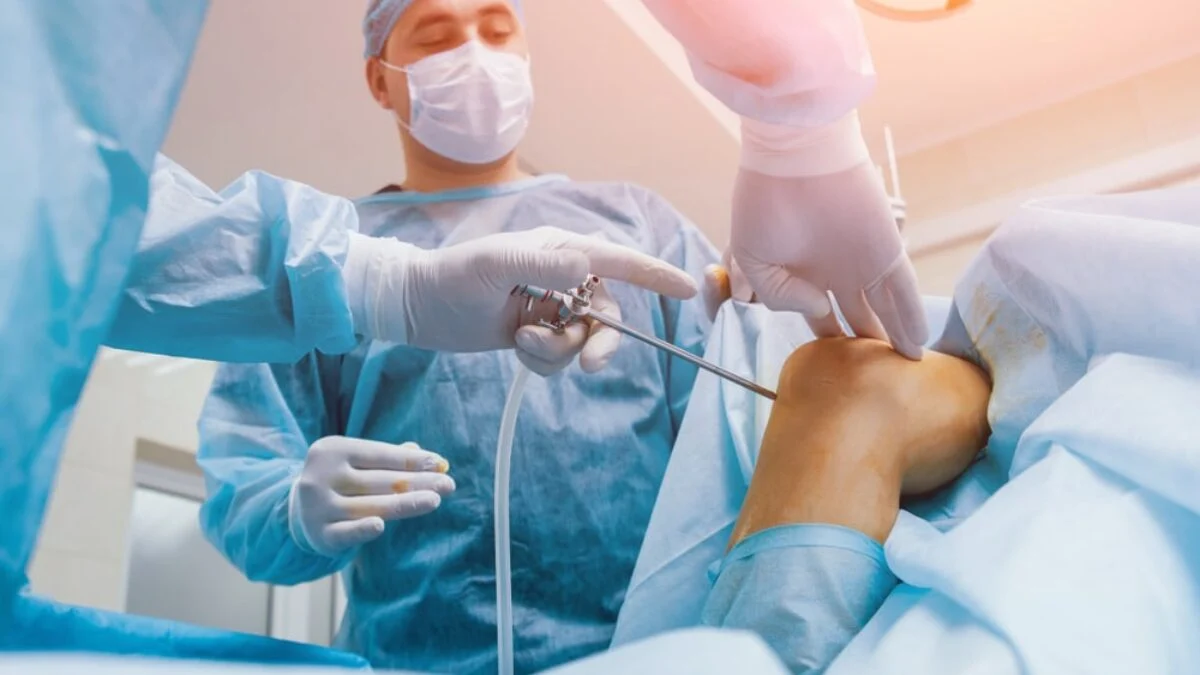
In many cases, surgeons use arthroscopy, a minimally invasive technique that involves making small incisions and inserting a tiny camera and instruments to repair structures inside the knee. Common arthroscopic procedures include:
- Meniscus repair or trimming
- Removal of loose fragments
- Ligament reconstruction
Arthroscopic surgery typically offers faster recovery, less pain, and smaller scars compared to traditional open surgery.
Ligament Reconstruction
When ligaments such as the anterior cruciate ligament (ACL) are torn, surgeons often perform ligament reconstruction — replacing the damaged ligament with a graft taken from another tendon in the patient’s body or from a donor. ACL reconstruction is one of the most common knee surgeries after trauma.
Fracture Repair
Knee fractures, such as those of the patella (kneecap) or the adjacent ends of the tibia and femur, may require open reduction and internal fixation. This involves surgically exposing the bone and securing it with screws, plates, or rods to restore alignment and stability.
Meniscus Repair or Partial Removal
The meniscus acts like a shock absorber inside the knee. When it tears — a frequent outcome of twisting injuries — surgeons may repair the cartilage or remove the torn portion if repair isn’t feasible.
The Surgical Experience
Before surgery, the care team will review your imaging results, health history, and discuss the expected goals of the procedure. On the day of surgery:
- You will be given anesthesia — either regional (numbing the leg) or general (put to sleep)
- Small incisions are made if arthroscopy is used, or a larger incision for open surgery
- The surgeon repairs or reconstructs the damaged tissues
- Incisions are closed and the knee is typically bandaged, sometimes with a brace for support
Most knee surgeries are performed in a hospital or outpatient surgical center, and you may go home the same day or after a brief hospital stay depending on the extent of the procedure.
Recovery and Rehabilitation
Recovery from knee surgery is a progressive process that can take weeks to many months depending on the injury’s severity and the surgery type. Key components of recovery include:
Pain Management
Pain is usually managed with prescribed medications, ice, rest, and elevation. Using ice and keeping the knee elevated helps reduce swelling and discomfort in the days following surgery.
Physical Therapy
Physical therapy is crucial. A personalized rehab program focuses on:
- Regaining range of motion
- Strengthening muscles around the knee
- Improving balance and gait
- Reducing stiffness and swelling
Rehabilitation often starts soon after surgery and continues for several months, with intensity increasing as healing progresses. Blogs | Specialty Care Clinics
Lifestyle Adjustments
For a successful recovery:
- Avoid high-impact activities until cleared by your clinician
- Follow weight-bearing restrictions
- Wear supportive footwear
- Maintain a nutritious diet to support healing
Patience is key — full functional recovery, especially after ligament reconstruction or complex fracture repair, may take up to 12 months or longer.
Costs and Considerations After an Auto Accident
Knee surgery is a significant medical intervention and can be costly. Surgical costs alone — especially for complex repairs or replacements — may reach tens of thousands of dollars. And that figure doesn’t include hospital stays, doctor visits, physical therapy, medications, assistive devices, or lost wages during recovery.
Following a crash, it’s important to document all injuries and treatments, communicate with your insurance provider, and consider consulting legal counsel if another party’s negligence contributed to the accident.
Conclusion: Hope After Injury
A knee injury from an auto accident can be life-altering, but modern surgical techniques and comprehensive rehabilitation programs give many people the chance to regain function and return to active life. Early diagnosis, choosing the right surgical approach, and committing to rehabilitation are the pillars of successful recovery. With proper care and support, even serious injuries can heal — turning pain into progress and restoring mobility, confidence, and quality of life after a traumatic event.