
Shoulder Injury: Causes, Symptoms, and Effective Treatment Options
The shoulder is one of the most flexible and mobile joints in the human body, allowing a wide range of motion. This mobility, however, also makes it vulnerable to injuries. Whether you’re an athlete, office worker, or someone experiencing age-related wear and tear, shoulder injuries can be painful and disruptive. Understanding the causes, symptoms, and treatment options is key to proper recovery and long-term joint health.
Understanding the Shoulder Joint
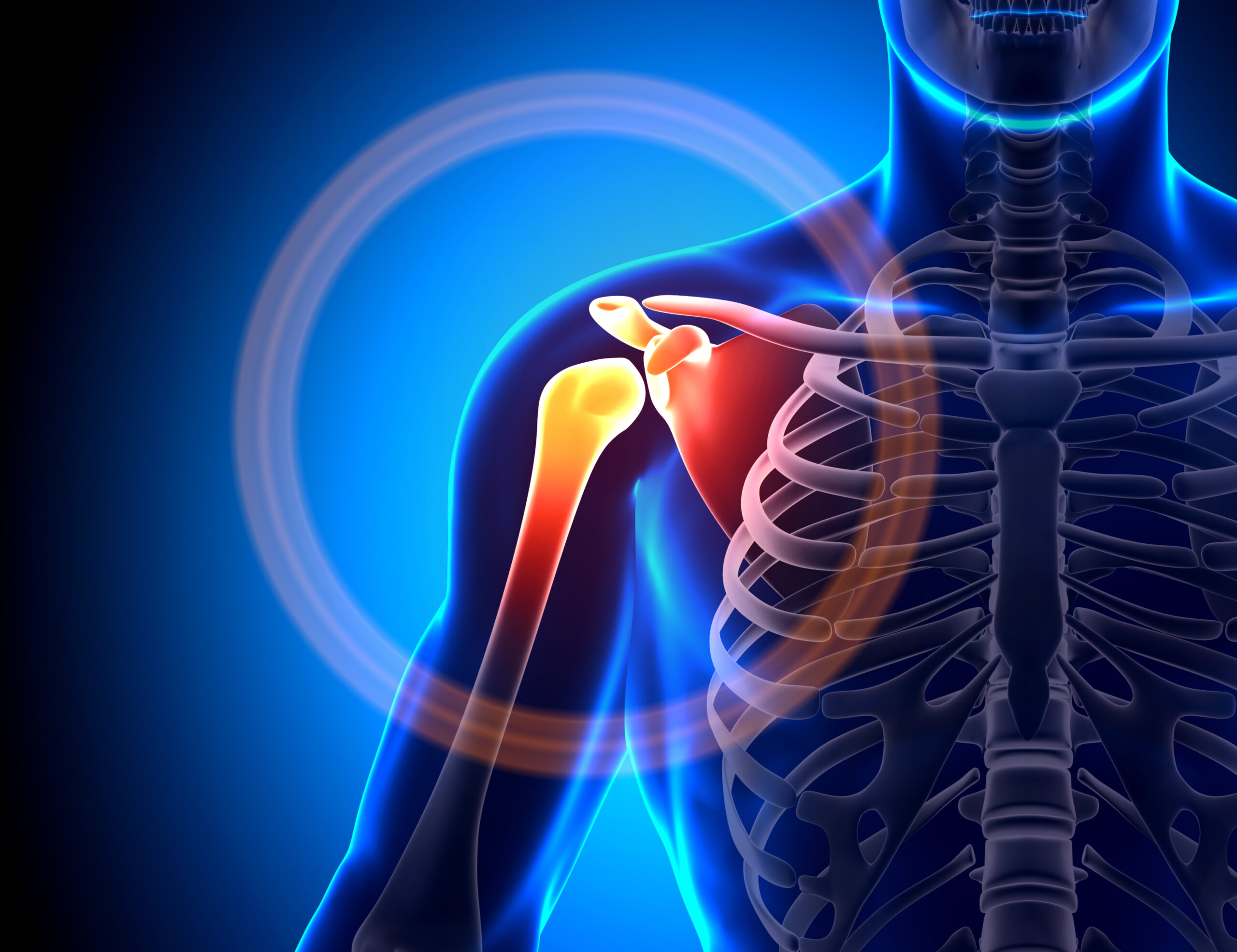
The shoulder is a ball-and-socket joint formed by the upper arm bone (humerus) fitting into the shoulder blade’s socket (glenoid). It’s supported by muscles, tendons, ligaments, and cartilage, all working together to allow fluid movement. This complex structure makes the shoulder highly mobile — but also prone to injuries from many sources.
Common Causes of Shoulder Injury
1. Rotator Cuff Injuries
The rotator cuff is a group of muscles and tendons that stabilize the shoulder and help lift and rotate the arm. Injuries to this area — including tears, inflammation, or strain — are among the most frequent shoulder problems. These injuries can develop gradually due to repetitive overhead movements or occur suddenly during a fall or accident.
2. Shoulder Sprains and Strains
Ligaments that connect bones in the shoulder can be overstretched or torn, resulting in sprains. Muscle strains — tiny tears in muscles — can also occur from sudden lifting or heavy activity. Symptoms for both often include pain, swelling, and limited movement.
3. Dislocations and Subluxations
A shoulder dislocation happens when the top of the arm bone pops out of the shoulder socket, typically caused by trauma like a hard fall or a forceful impact. Repeated dislocations can lead to chronic instability.
4. Bursitis and Tendonitis
Inflammation of the bursa — the fluid-filled sacs that cushion the shoulder — leads to bursitis. Similarly, tendonitis occurs when tendons become inflamed due to overuse. Both conditions can cause sharp pain with movement and tenderness.
5. Overuse and Wear-And-Tear
Daily activities, repetitive overhead motions (common in sports like swimming or tennis), or age-related degeneration can wear down shoulder tissues over time. This chronic stress often leads to weakness, stiffness, and ongoing pain.
Recognizing Shoulder Injury Symptoms
Shoulder injuries may present with:
- Pain or aching, especially during movement or at night
- Swelling or tenderness around the joint
- Weakness or difficulty lifting the arm
- Limited range of motion — trouble reaching overhead or behind the back
- Clicking, popping, or grinding sensations with movement
If pain persists beyond a few weeks, worsens, or significantly limits daily activities, seeking professional medical evaluation is essential.
Treatment Options for Shoulder Injuries
1. At-Home Care
Many mild shoulder injuries respond well to the R.I.C.E. method — Rest, Ice, Compression, Elevation — during the initial days after injury to reduce pain and swelling. Over-the-counter anti-inflammatory medications (like ibuprofen or acetaminophen) may also help.
2. Physical Therapy
A cornerstone of shoulder injury management, physical therapy focuses on exercises that strengthen muscles around the shoulder, improve flexibility, and restore normal motion. A tailored rehab program often helps prevent future injuries.
3. Medical and Surgical Interventions
For more severe injuries — such as complete rotator cuff tears or recurrent dislocations — doctors may recommend:
- Corticosteroid injections to reduce inflammation
- Minimally invasive arthroscopic surgery to repair torn tissues
- Shoulder replacement for advanced arthritis or severe joint damage
Preventing Shoulder Injuries
Preventing shoulder injuries begins with good habits:
- Warm up before workouts and stretch shoulders regularly
- Practice proper technique during sports or weightlifting
- Avoid repetitive overhead activities without adequate rest
- Maintain good posture to reduce joint strain
Early attention to minor discomfort can prevent chronic problems later on.
Shoulder injuries are common but highly treatable when recognized early and managed correctly. Whether you’re dealing with a strain, rotator cuff tear, or instability, understanding the causes and available treatments empowers you to take control of your recovery. If pain persists or significantly impacts your daily life, consulting a medical professional is crucial for tailored care and long-term shoulder health.