
Traumatic Brain Injury After an Auto Accident: What You Need to Know
Motor vehicle accidents are one of the most common causes of traumatic brain injury (TBI) in the world. According to health data, approximately 17 % of TBIs occur as a direct result of automobile collisions, making auto accidents a leading cause of both fatal and non-fatal brain injuries each year.
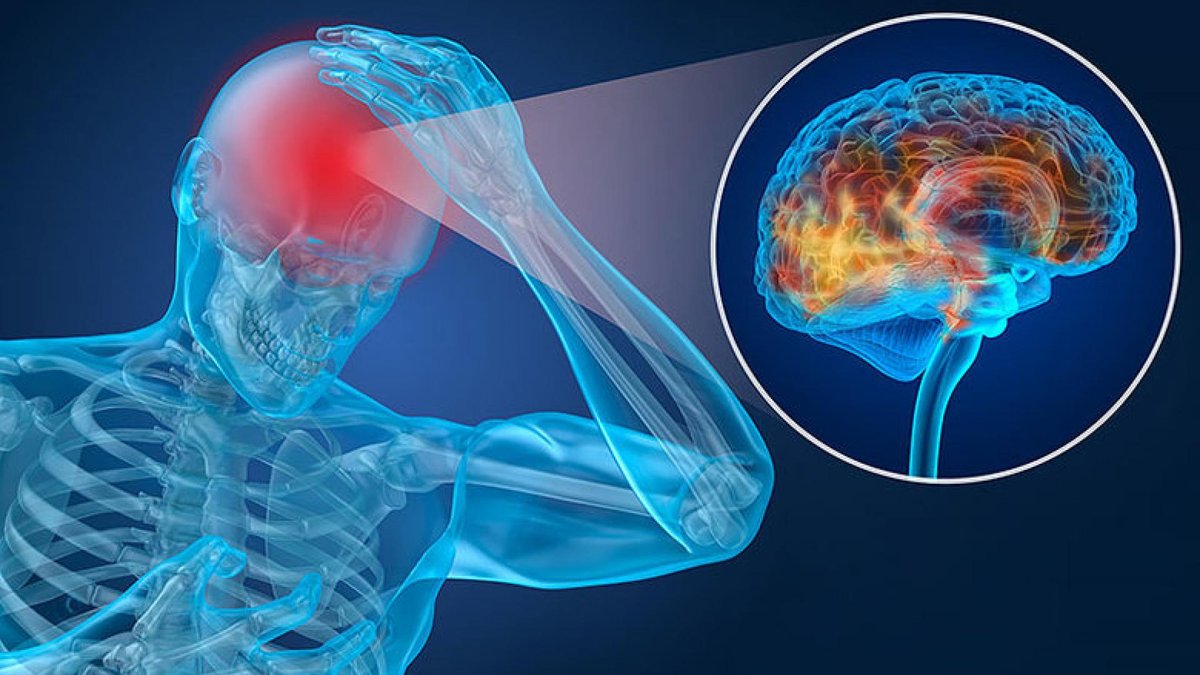
A traumatic brain injury is not just a “bump on the head.” It’s a serious injury that can affect cognitive function, emotional well-being, physical ability, and quality of life — sometimes immediately and sometimes long after the collision itself. This blog explains how TBI can result from car crashes, its symptoms, diagnosis, treatment, and why early, comprehensive care is essential for recovery.
What Is a Traumatic Brain Injury?
Traumatic brain injury occurs when an external force causes brain dysfunction. This can result from a direct blow to the head — such as hitting the steering wheel or window — or from rapid acceleration/deceleration that causes the brain to shift within the skull.
There are two major types of TBI:
- Closed (non-penetrating) injury: Caused by the brain striking the skull due to forceful movement. Typical in car crashes where the head doesn’t receive a direct impact but experiences whiplash-type forces.
- Penetrating injury: Caused when an object breaks the skull and enters brain tissue. This is less common in vehicle collisions but can happen in severe crashes with flying debris or sharp metal intrusion.
How Car Accidents Cause TBI
In an auto accident, the brain can be injured in several ways:
- Direct Impact: The head strikes a hard surface such as the steering wheel, dashboard, or window.
- Rapid Movement Forces: Sudden deceleration or acceleration causes the brain to hit the inside of the skull (coup-contrecoup injury). This can happen even if the head doesn’t make contact with anything.
- Rotational Forces: Twisting motions during impact can stretch and shear nerve fibers, leading to diffuse axonal injury — a serious form of TBI.
- Secondary Effects: Bleeding, swelling, or increased intracranial pressure can cause additional brain damage following the initial injury.
Even accidents at low speeds — like rear-end collisions — can cause significant TBI without a visible bump or loss of consciousness. Many individuals mistakenly believe that “nothing is wrong” when symptoms may appear hours or days later.
Signs & Symptoms of TBI After an Auto Crash
TBI symptoms vary widely depending on the severity of the injury. Some appear immediately, while others may not manifest until later.
Common Physical Symptoms
- Headaches or head pressure
- Dizziness or balance problems
- Nausea or vomiting
- Sensitivity to light or noise
- Fatigue or drowsiness
Cognitive & Emotional Symptoms
- Difficulty concentrating or remembering
- Slowed thinking or confusion
- Mood swings, irritability, anxiety
- Trouble finding words or communicating effectively
Severe Indicators
Seek immediate emergency care if any of the following occur:
- Repeated vomiting
- Unresponsiveness or seizure
- Unequal pupil sizes
- Weakness in arms or legs
- Worsening headaches
One important fact: absence of immediate symptoms doesn’t rule out TBI. Delayed symptoms are common, and missing them can delay treatment and worsen outcomes.
Diagnosing Traumatic Brain Injuries
Diagnosis typically starts with a clinical evaluation by a healthcare provider. This may include:
- Neurological exams to test reflexes, coordination, and mental status
- Imaging studies such as CT scans or MRI to identify bleeding, swelling, or structural damage
- Symptom tracking and cognitive tests to evaluate memory, attention, and processing skills
At specialized facilities like Columna Sunshine, clinicians offer TBI evaluations and impairment assessments that go beyond basic screening, using advanced diagnostics and a multidisciplinary team to formulate personalized treatment plans.
Treatment & Management of TBI
Treatment depends on the injury’s severity:
Mild TBI (Concussion)
- Rest and gradual return to activities
- Monitoring by a healthcare professional
- Over-the-counter pain relievers for headaches
- Cognitive rest — avoiding heavy thinking tasks initially
Moderate to Severe TBI
- Hospital care to stabilize vital functions
- Monitoring intracranial pressure
- Medications to manage swelling, seizures, or secondary symptoms
- Surgery when necessary to remove hematomas or repair fractures
Rehabilitation
Long-term recovery often involves:
- Physical therapy for motor skills
- Occupational therapy for daily functioning
- Speech therapy to address communication or cognitive challenges
- Psychological support for emotional changes
Sunshine Spine’s TBI Management Programs focus on improving both physical and cognitive function through tailored rehabilitation, ensuring patients receive holistic care throughout their recovery journey.
Why Early Intervention Matters
Identifying and treating TBI early can significantly improve outcomes. Left untreated, even mild brain injuries can lead to persistent post-concussive symptoms — such as chronic headaches, memory problems, or emotional instability — that interfere with daily life.
Early care also aids in documenting the injury for legal or insurance claims, which is important when auto accidents are involved.
Life After TBI: Recovery & Hope
Recovery from a TBI is not always linear. Some individuals bounce back quickly, while others may experience lingering effects for months or years. Emotional resilience, support systems, and structured rehabilitation all play crucial roles in long-term recovery.
Even people with severe injuries can make meaningful progress when provided with comprehensive care and consistent rehabilitation. Regular evaluations, physical and cognitive therapies, and ongoing medical support help rebuild function and quality of life.
Final Thoughts
Traumatic brain injury is a serious and often under-recognized consequence of auto accidents. Whether the collision involved a direct head impact, a whiplash-type motion, or was seemingly minor, it’s important to be alert for warning signs and seek prompt evaluation.