
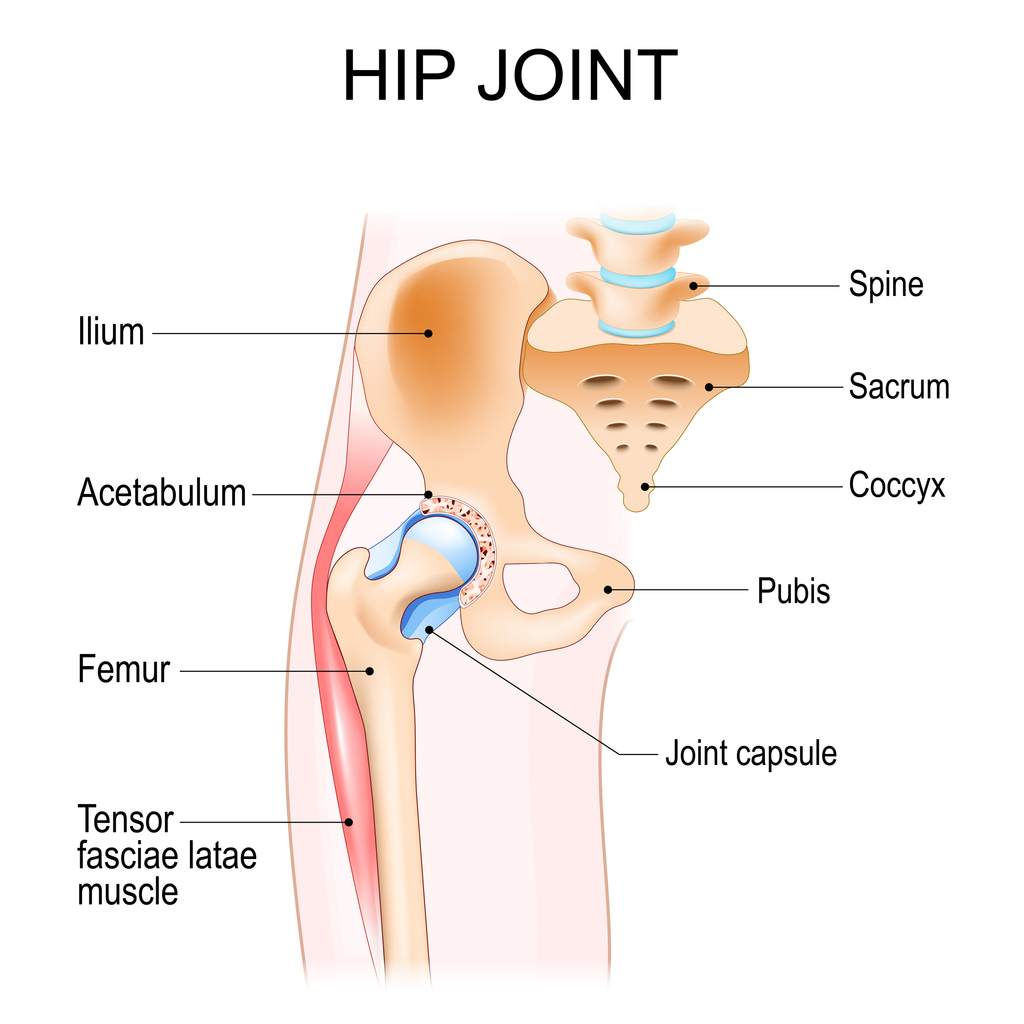
Understanding Hip Injuries After an Auto Accident: Causes, Symptoms, Treatment & Recovery
Auto accidents are traumatic events that can affect nearly every part of the body — from the neck and back to the arms, legs, and hips. While attention often shifts first to obvious injuries like whiplash or broken bones, hip injuries are surprisingly common after collisions and can be easily overlooked at first. Yet they can lead to long-term pain and mobility issues if not properly diagnosed and treated.
Why the Hip Is Vulnerable in Auto Accidents
Your hips are major weight-bearing joints that connect your legs to your torso. In a crash — especially during frontal impacts — the force of the collision can transmit directly through your thighs into your hips. For example, if your knee hits the dashboard, that force can drive up into the hip joint, causing a fracture or dislocation.
Additionally, soft tissues around the hip — including muscles, tendons, ligaments, and the hip labrum (a rim of cartilage that stabilizes the joint) — can be strained, torn, or bruised during the abrupt motion of an auto collision. These injuries may not always show up immediately on X-rays, which is why careful evaluation is important.
Common Types of Hip Injuries from Auto Accidents
Hip injuries after car accidents can range from mild to severe. Here are the most frequently seen types:
1. Hip Fractures
A fracture occurs when the bone is cracked or broken. In older adults with weaker bones, even a moderate impact can cause a break. In younger individuals, high-force crashes are usually the culprit. Symptoms include severe pain, inability to walk, and swelling. Complex fractures often require surgery and months of rehabilitation.
2. Hip Dislocations
With a dislocation, the head of the femur (thigh bone) pops out of the hip socket. This is a medical emergency because it can damage blood vessels and nerves, and if not treated quickly, may lead to bone death (avascular necrosis). Signs include intense pain, deformity of the leg, and inability to move the joint.
3. Soft Tissue Injuries
Muscle strains, ligament sprains, and tears of the hip labrum are common, especially when there’s forceful twisting or sudden stops. These injuries often present as deep groin or outer hip pain, especially with movement. Many of these injuries might not show on standard imaging initially, making clinical examination and MRI crucial.
4. Bursitis and Tendon Irritation
Inflammation of the bursae (fluid-filled sacs that cushion the joint) or tendons can result from direct trauma to the hip area. This produces pain with pressure, especially when lying on the side or walking.
Recognizing Symptoms Early
Sometimes symptoms of a hip injury develop immediately after a crash — but in other cases, they may take hours or even days to show. If you’ve been in an auto accident, watch for these signs:
- Deep, aching pain in the groin, outer hip, or buttocks
- Difficulty walking or bearing weight on the affected leg
- Clicking, catching, or popping sensations in the hip joint
- Swelling, bruising, or tenderness
- Limited range of motion or stiffness
- Feeling like the hip is unstable or giving way
- Pain that worsens with sitting, standing, or activity
Because some of these symptoms overlap with back or sacroiliac (SI) joint pain, a thorough assessment by a clinician is vital to identify the true source of discomfort and avoid misdiagnosis.
Diagnosis and Medical Evaluation
After you seek medical attention, your doctor will usually begin with a physical exam, checking your hip’s range of motion and areas of tenderness. Diagnostic imaging such as:
- X-rays, to identify fractures
- CT scans, for detailed views of bone and joint alignment
- MRI scans, to assess soft tissue injuries
- Ultrasound, for some soft tissue evaluations
…are often used to precisely determine the extent and type of injury. Early and accurate diagnosis helps tailor effective treatment.
Treatment Options
Treatment for hip injuries after an auto accident depends on the severity and type of injury.
Non-Surgical Treatment
For mild strains, sprains, or minor soft-tissue damage, conservative care can be very effective:
- Rest and activity modification — avoiding activities that worsen pain.
- Ice and heat therapy — to reduce swelling and ease discomfort.
- Anti-inflammatory medications (like NSAIDs) — to manage pain and inflammation.
- Physical therapy (PT) — to improve strength, stability, and mobility.
- Chiropractic adjustments or manual therapy, when misalignment or subtle shifts are part of the problem.
Physical therapy plays a critical role by strengthening the surrounding muscles, improving gait mechanics, and stabilizing the hip — often making long-term recovery smoother.
Image-Guided Injections & Advanced Treatments
For persistent pain or inflammation, doctors may recommend injections — such as corticosteroids or regenerative therapies like PRP (platelet-rich plasma) — to target specific areas around the joint and reduce pain.
Surgical Treatment
Surgery becomes necessary when:
- There are fractures requiring fixation (e.g., using plates, screws).
- Dislocations that can’t be reduced manually.
- Significant soft tissue injuries, like labral tears.
- Joint replacement for severe damage.
Procedures like ORIF (open reduction internal fixation) realign broken bones and stabilize the joint, and arthroscopy can repair soft-tissue tears. Recovery from surgery can take several months, often involving a carefully structured rehabilitation plan.
Recovery and Rehabilitation
Recovery timelines vary widely based on injury severity, age, overall health, and how closely rehabilitation is followed. Minor soft tissue injuries may improve within weeks, while fractures and surgical repairs can take 3 to 12 months for full healing and return to activity.
Physical therapy is the cornerstone of rehabilitation. Functional exercises, balance training, gait retraining, and gradual return to weight-bearing activities help rebuild strength and prevent new issues. Patience and consistency are essential: pushing too hard, too soon can delay healing.
Long-Term Considerations
Untreated or improperly managed hip injuries can lead to chronic pain, arthritis, altered gait patterns, and compensatory problems in the back or knees. Early intervention and adherence to treatment plans significantly improve long-term outcomes.
Legal and Practical Considerations
Because hip injuries from auto accidents — especially serious ones — can lead to expensive medical bills and time away from work, many people pursue compensation through insurance claims or legal action. Documenting all injuries, treatments, and follow-ups helps support these claims. Consult with both healthcare and legal professionals early to protect your rights.
Hip injuries after a car accident are more common and serious than most people realize. Whether it’s a fractured bone, soft-tissue tear, or subtle misalignment, getting a prompt and accurate diagnosis makes all the difference in recovery and long-term mobility. With proper care — from medical evaluation and imaging to personalized rehabilitation — many people go on to regain strength and return to their active lives.