
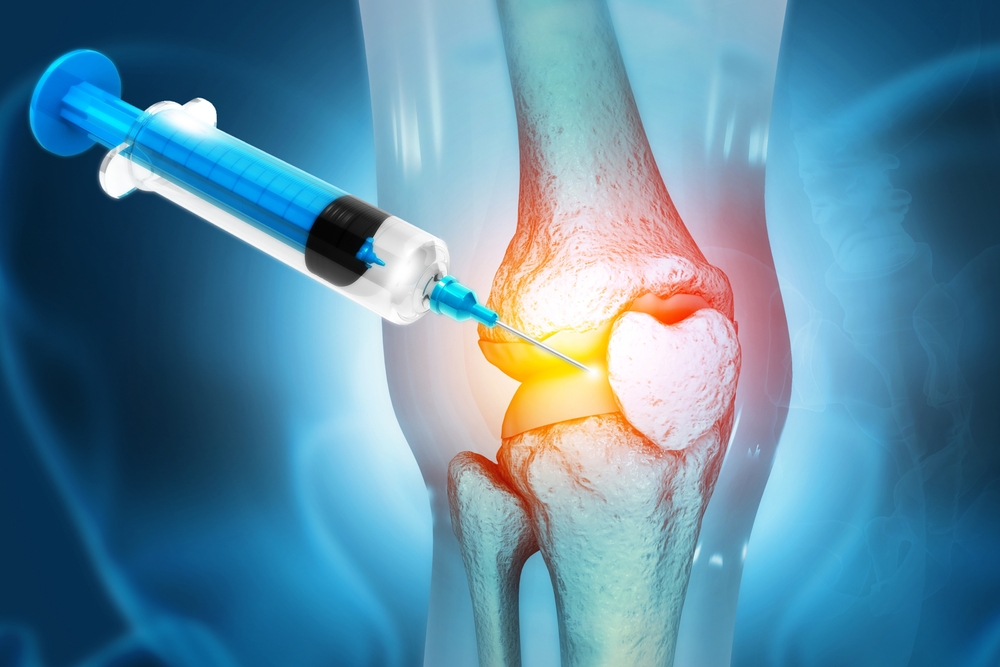
Knee Stem Cell Therapy: Regenerative Hope for Pain Relief and Better Mobility
Chronic knee pain affects millions of people around the world — whether from osteoarthritis, sports injuries, or years of wear and tear. For many, pain limits everyday activities like walking, climbing stairs, or even getting out of bed. Traditional treatments — such as pain medications, steroid injections, physical therapy, and even knee replacement surgery — often offer limited relief or come with significant recovery times and risks. But what if there were a regenerative option that could help your knee heal itself using your own body’s natural biology? That’s where knee stem cell therapy comes into the picture.
At Sunshine Spine & Wellness, regenerative medicine is part of a broader wellness and pain management approach aimed at reducing pain, improving function, and enhancing quality of life. Although the clinic’s main website focuses on a range of treatments, its regenerative services include cellular therapies — such as bone marrow concentrate and other biologic injections — that may incorporate mesenchymal stem cells to support healing in knee and other joints.
What Is Knee Stem Cell Therapy?
Knee stem cell therapy is a type of regenerative procedure that uses stem cells — often derived from the patient’s own bone marrow or fat tissue — to promote healing of damaged tissues within the knee joint. Mesenchymal stem cells (MSCs) are a special type of cell that can develop into bone, cartilage, and other cell types. When injected into the knee, these cells can help reduce inflammation and support tissue repair, especially in conditions such as osteoarthritis or injury-related damage.
Unlike traditional treatments that simply mask pain or replace damaged structures (like joint replacement surgery), stem cell therapy aims to harness the body’s capacity to repair itself. It’s part of a field called regenerative medicine, which focuses on restoring function by stimulating the body’s natural healing mechanisms.
How Does It Work?
- Harvesting Cells:
A small amount of bone marrow or adipose (fat) tissue is collected from the patient. Bone marrow is a common source because it contains MSCs alongside growth factors that support healing. - Processing:
The harvested cells are processed to concentrate the stem cells and other healing components. This often occurs in a specialized lab using centrifugation. - Injection Under Precision Guidance:
The concentrated cells are then injected into the knee joint using imaging guidance (e.g., ultrasound), ensuring accurate placement where the damage and inflammation are most significant. - Healing and Regeneration:
Over weeks to months, the stem cells work to reduce inflammation, support cartilage health, and create a more favorable joint environment.
This process is typically done on an out-patient basis, meaning there’s no major surgery or long hospital stay. Many patients can walk shortly after the procedure and resume light activity within a few days.
Potential Benefits of Knee Stem Cell Therapy
Stem cell therapy for knees offers some distinct advantages over traditional treatments, especially for people wanting to avoid or delay surgery:
1. Minimally Invasive Treatment
Unlike knee replacement or other surgical procedures, stem cell injections involve no large incisions or general anesthesia. Recovery time tends to be much shorter compared with surgical options.
2. Reduced Pain and Inflammation
Stem cells can help calm inflammatory processes in the joint, which is often a major source of pain in conditions like osteoarthritis. Reduced inflammation can lead to significant pain relief, sometimes noticeable within a few weeks after treatment.
3. Potential Regeneration of Damaged Tissue
One key theoretical advantage of stem cell therapy is the promotion of tissue repair. MSCs can support the regeneration of cartilage and other joint tissues, potentially improving joint integrity and function over time.
4. Improvement in Mobility and Function
Many patients receiving stem cell therapy report improvements in range of motion and the ability to perform daily activities with less discomfort. Regaining functional strength and mobility can significantly improve quality of life.
5. Delay or Avoidance of Knee Replacement Surgery
For some patients — especially younger individuals with early to moderate arthritis — stem cell therapy may postpone the need for total knee replacement surgery by strengthening the joint environment and reducing symptoms.
Realistic Expectations: What Research Shows
It’s important to balance optimism with realism when considering stem cell therapy for the knee:
- Systematic reviews suggest that a higher proportion of patients report treatment success with stem cell injections compared with placebo, but the size and quality of studies vary widely.
- The evidence is still emerging, and there’s variability in preparation methods, dosage, and clinical protocols — meaning outcomes can differ between individuals and treatment centers.
- Long-term benefits — such as sustained cartilage regrowth or disease progression slowing — remain areas of ongoing research.
Risks and Considerations
Even though knee stem cell therapy is generally considered safe when performed by qualified professionals, there are potential risks and limitations:
Common Side Effects
Some patients may experience temporary pain, swelling, and mild inflammation at the injection site shortly after treatment. These symptoms usually resolve within a few days.
Infection and Procedural Complications
As with any injection procedure, there’s a small risk of infection, bleeding, or nerve irritation. Clinics use sterile techniques to minimize these risks.
Uncertain Regulatory Status
In many regions — including the United States — no stem cell therapy for knee osteoarthritis has full regulatory approval by agencies like the FDA. This means treatments are often considered investigational or experimental. Patients should be informed and understand that insurance may not cover these procedures.
Cost Considerations
Regenerative treatments that use stem cell concentrates and biologics can be costly, often ranging into the thousands per session, and are usually paid out of pocket because they’re not commonly covered by insurance.
Who May Be a Good Candidate?
Ideal candidates for knee stem cell therapy are typically adults with:
- Chronic knee pain due to osteoarthritis or cartilage wear
- Injury-related joint damage
- Inflammation not fully responsive to conventional conservative treatments
- A desire to explore non-surgical options before more invasive procedures
A thorough medical evaluation, including imaging and physical examination, is essential to determine whether regenerative therapy is appropriate for an individual’s specific condition.
Summary: A Regenerative Path Forward
Knee stem cell therapy represents one of the most exciting frontiers in orthobiologics — a field focused on using biological treatments to help the body heal itself. While more research is still needed to fully define long-term outcomes and refine clinical protocols, many patients have found meaningful improvements in pain, mobility, and overall function through regenerative approaches.
At Sunshine Spine & Wellness, regenerative medicine is part of a comprehensive strategy to reduce pain and enhance joint health, including cellular therapies like bone marrow concentrates and PRP injections. If you’re struggling with persistent knee pain and seeking an alternative to long-term medication or surgery, exploring knee stem cell therapy — with expert guidance and a personalized care plan — may offer a promising step toward a more active, comfortable life.