
Understanding Knee Replacement: A Comprehensive Guide to Relief, Recovery, and Better Mobility
Knee pain can profoundly affect daily life — from rising out of a chair to climbing stairs or simply walking comfortably. Many sufferers seek help from joint care specialists like the team behind Sunshine Spine & Wellness, a clinic dedicated to advanced pain management and musculoskeletal treatments, including knee and joint conditions.
For those with severe knee pain that does not improve with conservative measures, knee replacement surgery — medically known as knee arthroplasty — can offer life-changing relief. This comprehensive guide walks you through what knee replacement is, who may need it, the benefits and risks, recovery expectations, and alternatives.
What Is Knee Replacement Surgery?
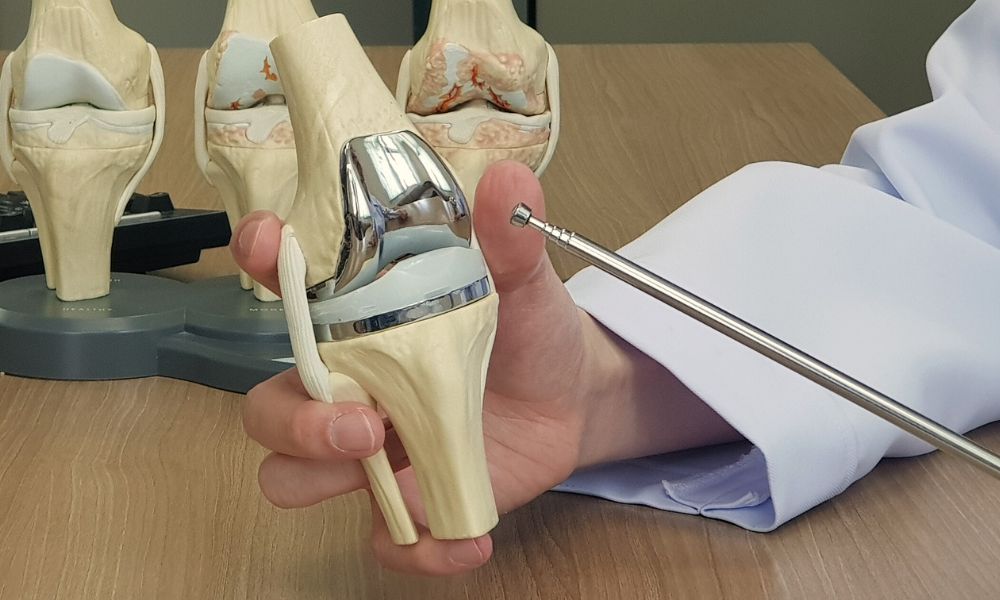
Knee replacement is a surgical procedure in which a damaged knee joint is replaced with an artificial prosthesis. This artificial joint is designed to mimic the function of a healthy knee, help reduce pain, improve mobility, and restore quality of life.
There are two main types of knee replacement:
1. Total Knee Replacement (TKR)
This involves replacing the entire knee joint — including the ends of the femur (thigh bone), tibia (shin bone), and often the under-surface of the patella (kneecap) — with metal and plastic components engineered to move smoothly together.
2. Partial Knee Replacement
Also known as unicompartmental knee replacement, this surgery is used when only one side of the knee is damaged. Only the affected cartilage and bone are replaced, preserving as much of the original knee as possible.
Who Needs Knee Replacement?
Knee replacement is most commonly recommended when:
- Chronic knee pain limits daily activities like walking, standing, or climbing stairs.
- Pain persists despite non-surgical treatments such as medications, physiotherapy, or injections.
- Conditions like osteoarthritis, rheumatoid arthritis, or severe joint degeneration are present.
- Conservative options like PRP therapy, shock wave therapy, weight loss, or braces have been tried without sufficient relief.
Clinics like Sunshine Spine & Wellness specialize in comprehensive joint pain management, offering a spectrum of treatments — from non-invasive regenerative therapies to supportive care that may precede or follow surgical interventions.
What to Expect Before Surgery
Before recommending knee replacement, an orthopedic surgeon typically evaluates:
- Medical history and overall health to ensure you are fit for surgery.
- Imaging tests like X-rays or MRI to assess the extent of knee damage.
- Physical therapy trials to try conservative management first.
- Weight and fitness optimization, as being overweight increases surgical risk and strain on the new joint.
Preparing your body and mind for knee surgery is crucial. Surgeons often recommend strengthening leg muscles and improving general fitness to speed up recovery and lower complication risks.
Benefits of Knee Replacement
Knee replacement can bring about dramatic improvements:
1. Significant Pain Relief
Most patients experience a substantial reduction in pain — and many achieve pain-free movement — allowing them to live more comfortably without constant reliance on pain medications.
2. Improved Mobility & Function
After recovery, everyday tasks — such as walking, climbing stairs, or standing for long periods — become easier and less tiring.
3. Enhanced Quality of Life
With reduced pain and better function, patients often return to hobbies, social activities, and light exercise, which boosts both physical and mental well-being.
4. Long-Lasting Results
Modern prostheses can last 15–20 years or more, meaning many patients enjoy decades of improved mobility before any revision surgery is needed.
Risks and Complications
While knee replacement is generally safe and very successful, like all surgeries, it carries some potential risks:
- Infection around the incision or artificial joint.
- Blood clots in the legs or lungs (deep vein thrombosis or pulmonary embolism).
- Nerve or blood vessel damage near the surgical site.
- Prosthesis issues such as loosening or wear over time.
- Persistent stiffness or mild pain after surgery.
It’s essential patients are informed and work closely with their care team to minimize these risks.
Recovery: What Happens After Surgery
Recovery is a gradual process requiring commitment and patience:
Hospital Stay
Typically, patients stay in the hospital a few days for pain control, wound care, and initial physical therapy.
Early Mobilization
Most patients begin moving — often walking with assistance — within a day or two post-surgery. Early movement encourages blood flow, reduces stiffness, and helps prevent complications.
Rehabilitation and Physical Therapy
Physical therapy is vital. It strengthens the muscles around the knee, improves flexibility, and trains you to use the new joint efficiently. Regular exercises may continue for months.
Timeline
- First 6 weeks: Increase activity gradually; many walk independently.
- 3 months: Most resume normal daily activities.
- 6–12 months: Full strength and function typically return with consistent therapy.
Alternatives to Surgery
Not everyone with knee pain requires replacement right away. Non-surgical treatments include:
- Platelet-Rich Plasma (PRP) Therapy: Uses concentrated growth factors from your own blood to stimulate healing of damaged knee tissues.
- Shock Wave & Laser Therapy: Non-invasive options that target pain and enhance natural healing responses.
- Lifestyle modifications: Weight management, low-impact exercise, bracing, and medications.
- Physical therapy: Tailored exercises to improve strength and reduce pain.
These treatments are often explored before considering surgical replacement, particularly in less-severe cases.
Living With a Replaced Knee
Once recovered, most patients lead active, fulfilling lives. However, some precautions are recommended:
- Limit high-impact activities like running or jumping, which can stress the new joint.
- Maintain a healthy weight to reduce load on the knee.
- Follow regular follow-ups to monitor joint integrity over time.
Summary
Knee replacement is a powerful tool in the fight against chronic knee pain and disability. It’s a procedure that transforms lives — enabling people to walk, work, and play with much less discomfort. For those with severe osteoarthritis or extensive joint degeneration, it offers not just improved physical function but a renewed sense of freedom.
For anyone experiencing persistent knee pain, consulting a joint care specialist — whether for advanced regenerative treatments or surgical evaluation — is an important first step. Clinics like Sunshine Spine & Wellness focus on comprehensive pain and joint care, giving patients personalized options that range from non-invasive therapies to support through surgical decisions and recovery.
If you’re considering your options for knee pain relief or knee replacement, professional guidance will help you make the best choice for your mobility and quality of life.